
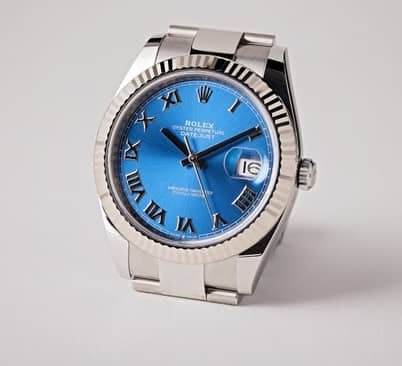


Is Rolex a Non-Profit? The Truth Behind Its Foundation
While Rolex is indeed a profitable luxury watch brand that generates billions in revenue annually, the company operates under a unique ownership structure that sets it apart from typical corporations. Rolex S.A. itself is a for-profit company, but it is entirely owned by the Hans Wilsdorf Foundation, a private charitable trust established under Swiss law. This distinctive arrangement creates a hybrid model that combines commercial success with philanthropic purpose.
Key Takeaways:
- Rolex is a for-profit company
- It is owned by a non-profit foundation
- This structure allows for long-term strategic decisions
- Profits are used for philanthropy and reinvestment
This unusual corporate structure has enabled Rolex to maintain its position as one of the world’s most recognizable luxury watch brands while pursuing meaningful charitable initiatives. The foundation model provides strategic advantages that have contributed to the company’s enduring success and unwavering commitment to quality craftsmanship.
The Short Answer: Is Rolex a Non-Profit Company?
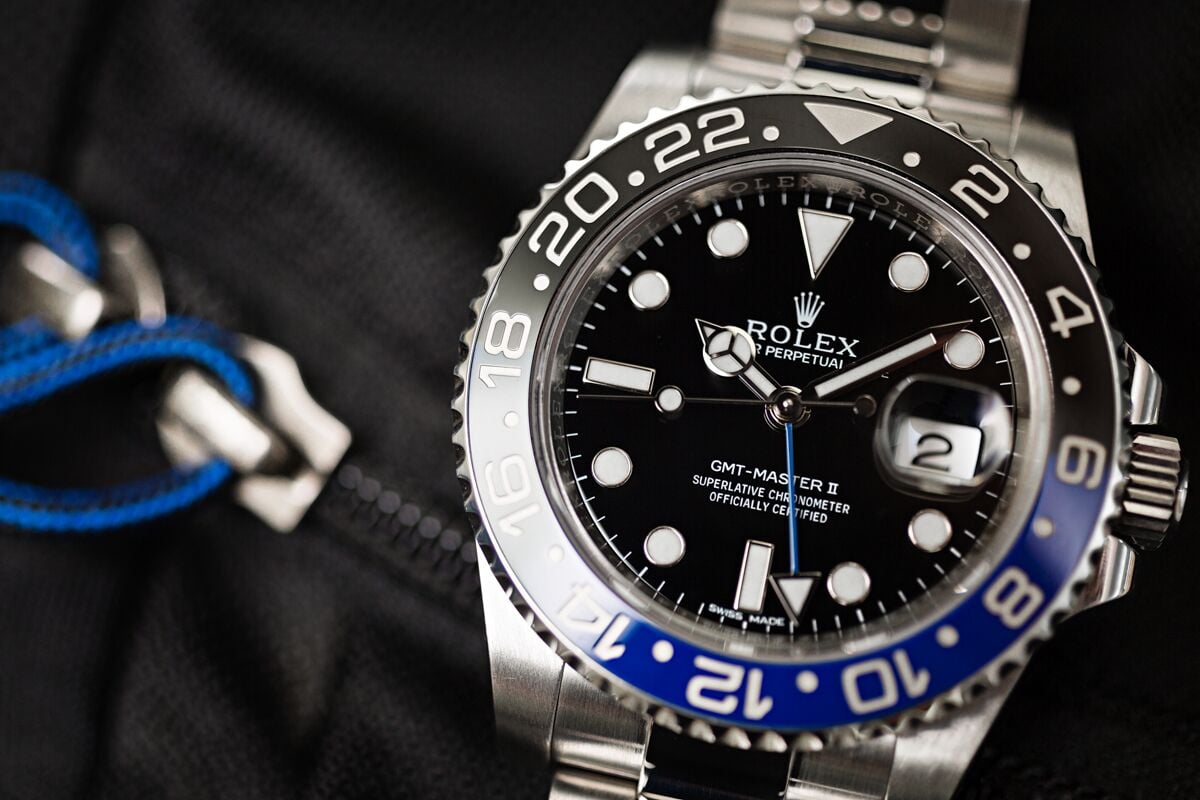
Rolex S.A. is a for-profit company that manufactures and sells luxury timepieces, while its parent company, the Hans Wilsdorf Foundation, is a non-profit entity recognized under Swiss law. This critical distinction explains the complexity surrounding Rolex’s corporate identity.
Key Structural Elements:
- The manufacturing company (Rolex S.A.) operates as a traditional business entity
- All profits flow upward to the charitable foundation rather than external investors
- Swiss law recognizes the Hans Wilsdorf Foundation as a legitimate non-profit organization
- This creates a hybrid model unique in the luxury goods industry
The History Behind the Foundation

The story begins with Hans Wilsdorf, Rolex’s visionary founder, whose remarkable journey building the brand led to the establishment of the Hans Wilsdorf Foundation in 1944. Wilsdorf’s decision stemmed from his desire to ensure the company’s long-term stability and commitment to excellence beyond his lifetime. In 1960, he made the groundbreaking decision to transfer 100% ownership of Rolex to the foundation, creating a perpetual trust structure.
Wilsdorf’s foresight proved remarkable. By removing the company from traditional ownership models, he protected Rolex from potential takeovers, short-term profit pressures, and the volatility that often affects publicly traded luxury brands. This foundation-based ownership has remained unchanged for over six decades, demonstrating the effectiveness of Wilsdorf’s original vision.
How the Rolex/Foundation Structure Works

The operational relationship between Rolex and the Hans Wilsdorf Foundation creates a unique financial ecosystem. Profits generated by Rolex’s global sales flow directly to the foundation, which then determines how these funds are allocated between reinvestment in the company and charitable activities.
This structure provides several distinct advantages:
- No Public Shareholders: Freedom from quarterly earnings pressure allows Rolex to focus on long-term quality and brand building rather than short-term financial performance.
- Financial Privacy: No obligation to publicly disclose detailed financial data, protecting competitive information and strategic planning.
- Tax Benefits: Benefits from Switzerland’s favorable charitable trust laws, optimizing the organization’s tax efficiency.
- Mission-Driven Focus: Ensures the company stays true to its founder’s original vision of excellence and craftsmanship
Rolex’s Charitable and Philanthropic Endeavors
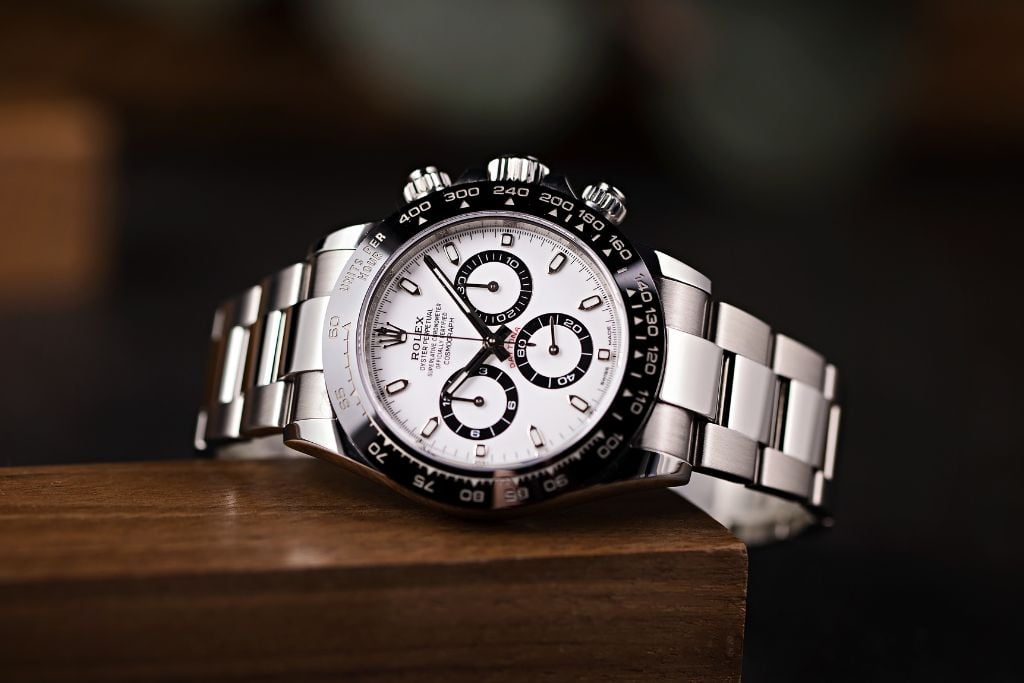
The Hans Wilsdorf Foundation channels Rolex’s profits into two primary philanthropic initiatives: The Perpetual Planet Initiative focusing on environmental conservation and The Perpetual Arts Initiative supporting cultural preservation and artistic development.
| Program | Focus Area | Description |
| The Rolex Awards for Enterprise | Innovation & Global Challenges | Recognizes individuals worldwide who develop innovative projects addressing pressing global issues, providing funding and mentorship support |
| The Rolex Mentor and Protégé Arts Initiative | Cultural Arts & Education | Connects emerging artists with established masters across music, literature, theater, dance, and visual arts disciplines |
| Mission Blue Partnership | Marine Conservation | Collaborates with Dr. Sylvia Earle’s organization to establish and protect marine sanctuaries worldwide |
| National Geographic Partnership | Exploration & Discovery | Supports scientific expeditions, research, and educational initiatives that expand human knowledge |
| Perpetual Planet Expeditions | Climate Research | Funds scientific research in extreme environments to better understand climate change impacts |
Is Rolex a Non-Profit? The Bottom Line

Rolex’s unique hybrid ownership model represents one of the most successful examples of combining commercial excellence with philanthropic mission. This structure has enabled the Swiss watchmaker to maintain its market leadership while staying true to Hans Wilsdorf’s vision of creating timepieces that embody precision, reliability, and timeless elegance.
The foundation model provides Rolex with strategic advantages that have contributed to its sustained success over decades. By removing short-term profit pressures and external investor demands, the company can focus on long-term quality, innovation, and brand building while simultaneously supporting meaningful charitable initiatives worldwide. This distinctive approach sets Rolex apart from competitors and demonstrates how innovative corporate structures can serve both commercial and humanitarian goals effectively.
At Bob’s Watches, we honor Rolex’s legacy by offering a carefully curated collection of pre-owned Rolex watches. Each timepiece reflects the same craftsmanship and enduring quality that has made Rolex one of the world’s most iconic watchmakers for over a century.